

You are a founder or innovator and vibe coding tools have revolutionized prototype creation and technical innovation for you. Most vibe coded apps eventually hit the same point: everything looks great in a demo and initial user testing. Then prompts start breaking other features and navigations. Your application now has confusing behavior that is hard to unwind.
We call that point the Vibe Coding Wall.
In search terms, this is where a vibe coded app or AI app builder prototype stops being easy to improve. Initial versions work, but each new prompt creates regressions, confusing behavior, security questions, or technical debt in AI-generated code.
Why founders hit a wall with vibe coding and AI coding tools
This is not a founder failure. It is a normal side effect of building quickly with AI-assisted coding in 2026. You are encouraged to iterate quickly and you can achieve fast output driven progress as you continually create and publish new features.
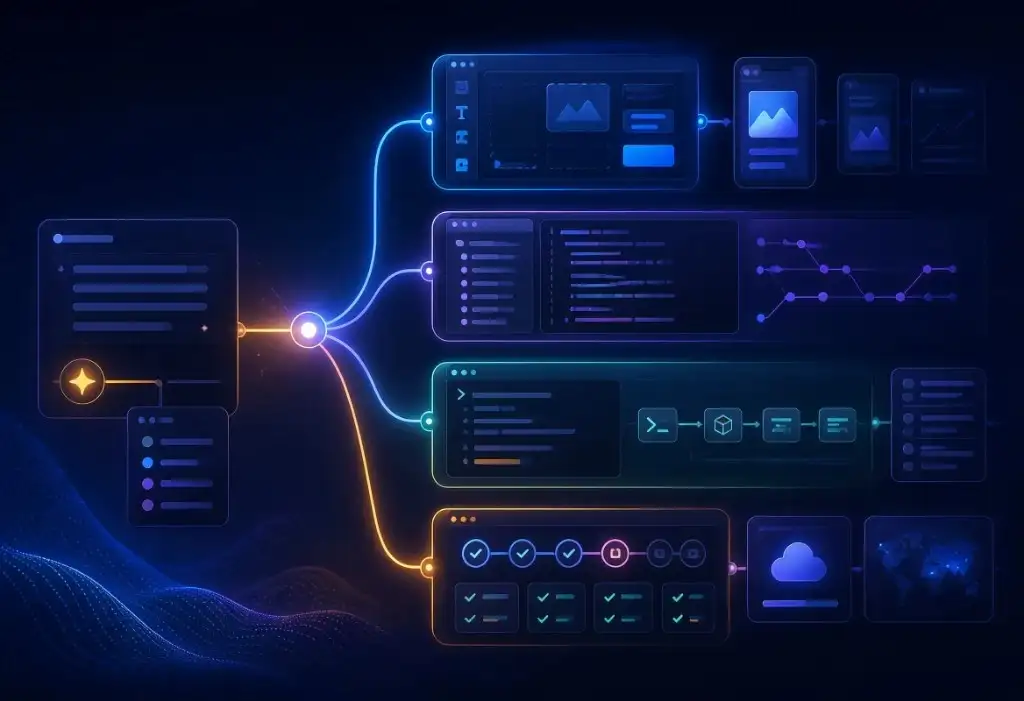
Underneath the prompts, the code being created is continually added onto and forms layers of functionality.
We have seen founders end up arguing with their AI assistants which are trying to help within their guidelines and capabilities.
These experiences are now common across teams using vibe coding to move fast.
Why does the Wall appear?
Vibe coding is excellent for rapid experimentation, but most tools optimize for output velocity rather than long-term software quality.
The vibe code platforms do not want to slow you down, they want you to go faster and grow your application at speeds that were never available to non-technical users even 2 years ago.
Many founders reach this point after building with tools such as Lovable, Base44, Cursor, Claude, ChatGPT, or other AI coding assistants. These tools can be excellent for fast prototyping, but production-ready app development still requires architecture, security review, testing, deployment discipline, and maintainable code.
The platforms are not designed for simultaneous vibe coders trying to rapidly change or fix or update the same application at the same time.
Applications with more complicated technical requirements like PDF manipulation or data processing can outgrow vibe coding platforms and need more direct intervention and prompting from human experts.
Why Vibe-Coded Apps Break Before Production
Some examples from current vibe coding platforms:
- Prompts on top of Prompts: Additive generated code growth without cleaning up and refactoring
- Features that work in isolation but conflict after multiple prompt cycles
- Security and privacy gaps that are easy to miss during prototyping
- Limited test coverage and no reliable rollback path
- Deployment and monitoring that are not ready for real users
- Models are not focused by the platform providers at quality, testing and security.
Old Way vs New Way of Getting to Production
Traditional product teams often started with long requirement docs, then moved through design and implementation over months. It is a thorough process that works for deeply technical systems where the requirements are clear and won't change significantly.
This is not a fit for most startups where requirements change quickly as founders test market demand with users.
Founders want to be able to pivot to new features within days or weeks while they discover their ideal customer profiles. Vibe coding offers a solution to the start of the process.
If you are searching for a vibe code cleanup specialist, Lovable developer, Base44 consultant, Cursor engineer, or help fixing an AI-built app, the underlying need is usually the same: turning a working prototype into software that can support real customers.
How to move past the wall
- Prototype first with vibe coding and validate the experience quickly with your users
- Turn the working prototype into clear requirements as you move to a minimum viable product
- Hire a technical co-founder or engineering consultants so you have more time to focus on hiring and user growth.
- Slow down delivery slightly - keep shipping product features while the engineering team hardens and refactors the code
- Continue to prepare for scalability of the product and the development team.
Moving past an MVP and scaling and growing will take some investment. Founder teams will need advice, coding and prompting from trained engineers.
A Practical Path Through the Vibe Coding Wall
At Future Wonder, Vibe Code Rescue starts when a team already has product momentum and needs their product to be reliable and safe for real customers.
We focus on a practical handoff from prototype speed to production reliability:
- Audit the current system and identify architecture and risk gaps
- Clean up code structure and remove fragile implementation patterns
- Add guardrails: testing, security controls, access rules, and data handling
- Improve performance and release reliability with repeatable deployment workflows
- Set up maintainability so ongoing vibe-coded features can be reviewed and shipped safely
FAQ
Quick answers about the Vibe Coding Wall
Can I keep vibe coding after a rescue?
With the right structure and investment you can continue to vibe code features and release them via a more robust verification process.
What is vibe code?
Vibe code is software created primarily through prompt-driven AI coding. Instead of writing every line manually, a founder or builder describes what they want, then an AI coding assistant or AI app builder generates the code for the application.
Is vibe coding bad in 2026?
Vibe coding is not bad. It is useful for prototypes, demos, internal tools, and early product validation. It becomes risky when a vibe coded app is treated as production-ready before security, testing, architecture, and maintainability have been reviewed.
Is vibe coding the future?
Vibe coding is likely part of the future of software development, especially for early product discovery. The winning teams will combine AI-assisted speed with experienced engineering review before launch.
How do I make a vibe coded app production-ready?
Start with an audit of the current codebase, data model, security rules, deployment process, and test coverage. Then refactor fragile areas, add guardrails, and create a repeatable release process so new AI-generated features can be reviewed safely.
Can I keep using Claude, Cursor, ChatGPT, Lovable, or Base44 if I keep working with Future Wonder?
Yes. The goal is not to stop using AI coding tools once you start working with Future Wonder. The goal is to put a better process around them so generated changes can be reviewed, tested, secured, and shipped with confidence.
Hitting the Vibe Coding Wall is expected. Teams that cross it successfully keep the speed of AI-assisted prototyping, then invest in engineering discipline for production.
If your prototype is working and you are ready to make it stable, secure, and scalable, contact us about Vibe Code Rescue.